

Chicago workplace injury lawyers help workers secure compensation after on-the-job accidents, including construction injuries, repetitive stress disorders, and occupational illnesses. Our attorneys handle workers’ compensation claims and third-party injury lawsuits throughout Cook County, representing employees injured at construction sites, manufacturing facilities, and office buildings across Chicago’s industrial corridors. Get Your Free Consultation to understand your rights and maximize your recovery.
When you’re hurt at work in Chicago, the clock starts ticking immediately. Illinois workers’ compensation law requires prompt notification, and construction accident cases often involve multiple liable parties beyond your employer. Every day you wait, crucial evidence disappears and witness memories fade.
Chicago’s booming construction industry creates daily hazards for thousands of workers. From the Willis Tower renovation projects to new developments in River North, workplace accidents happen across our city’s skylines and factory floors. Manufacturing facilities in Little Village and Pilsen see repetitive motion injuries, while downtown office workers face slip-and-fall incidents and ergonomic problems.
Understanding Illinois workers’ compensation law matters because it affects every aspect of your claim. Unlike other states, Illinois provides specific protections for construction workers and allows injured employees to pursue additional claims when third parties cause accidents. This dual-track approach often doubles or triples your total recovery compared to workers’ comp alone.
The legal process begins within days of your injury. You must notify your employer within 45 days, file a formal claim, and navigate medical evaluations while recovering from trauma. Construction accidents require immediate investigation before equipment is moved and job sites change. Cutler & Hull coordinates these time-sensitive steps while you focus on healing.
Most workers in Illinois are covered under the states workers’ compensation insurance system. In Illinois, the workers’ compensation system is run by the Illinois Industrial Commission. Workers’ compensation claims are more like insurance claims than lawsuits because workers are entitled to medical care and compensation for lost earnings, regardless of who was negligent for causing the accident or injury.
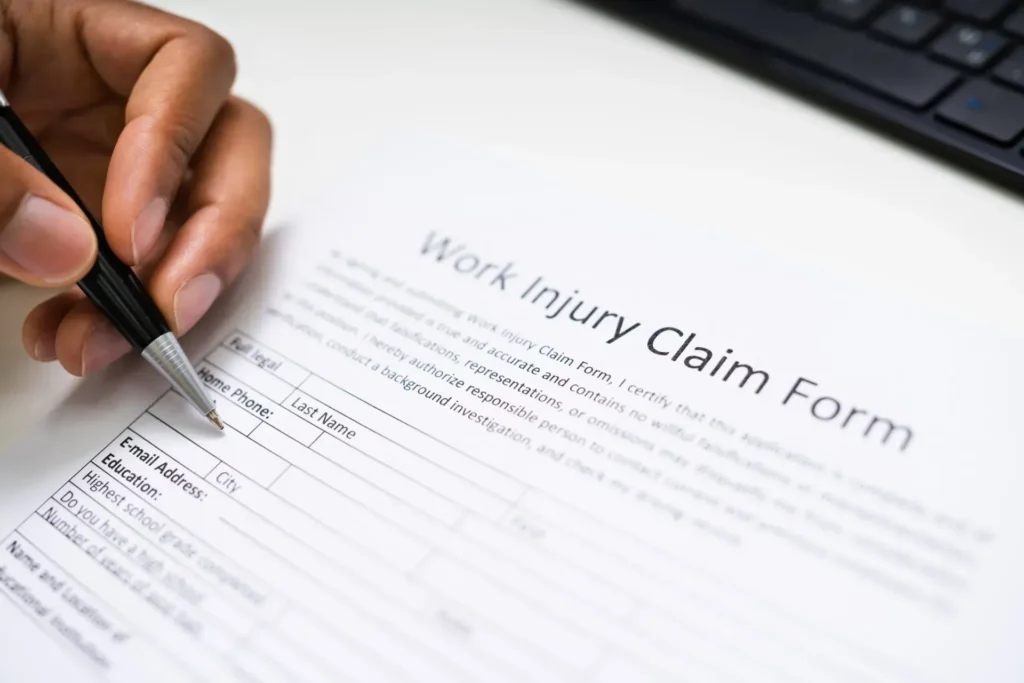
To receive workers’ compensation benefits, you do not need to show negligence on the part of your employer or another party. Any injury or disability that happened because of your work will qualify you for workers’ compensation benefits.
In today’s political environment, however, claims decisions tend to favor employers. Having a knowledgeable attorney fighting for your rights will put your claim in the best possible position for approval.
We represent injured workers across Chicago’s diverse employment sectors, from high-rise construction crews to factory workers in industrial neighborhoods. Construction workers face the highest injury rates, but office employees, healthcare workers, and retail staff also suffer serious workplace accidents requiring legal intervention.
Construction workers injured on Chicago job sites often have multiple avenues for compensation. Your workers’ comp claim covers immediate medical bills and partial wages, but third-party lawsuits against equipment manufacturers, subcontractors, or property owners frequently yield larger settlements. A crane operator injured by defective equipment might recover $50,000 from workers’ comp and $500,000 from the manufacturer.
Manufacturing workers in Chicago’s industrial areas frequently develop repetitive stress injuries that worsen over months or years. Carpal tunnel syndrome, back injuries from lifting, and hearing loss from exposure to machinery all qualify for compensation. These cases require medical documentation linking your condition directly to workplace activities.
Office workers might assume they’re safe from serious injuries, but Chicago’s downtown buildings see frequent slip-and-fall accidents, elevator malfunctions, and ergonomic injuries from poor workstation setup. Even seemingly minor incidents can result in significant medical bills and lost wages requiring legal action.
Healthcare workers across Chicago’s medical district face unique risks, including needle stick injuries, back trauma from patient lifting, and exposure to infectious diseases. These cases often involve complex medical evidence and require attorneys familiar with healthcare workplace standards.

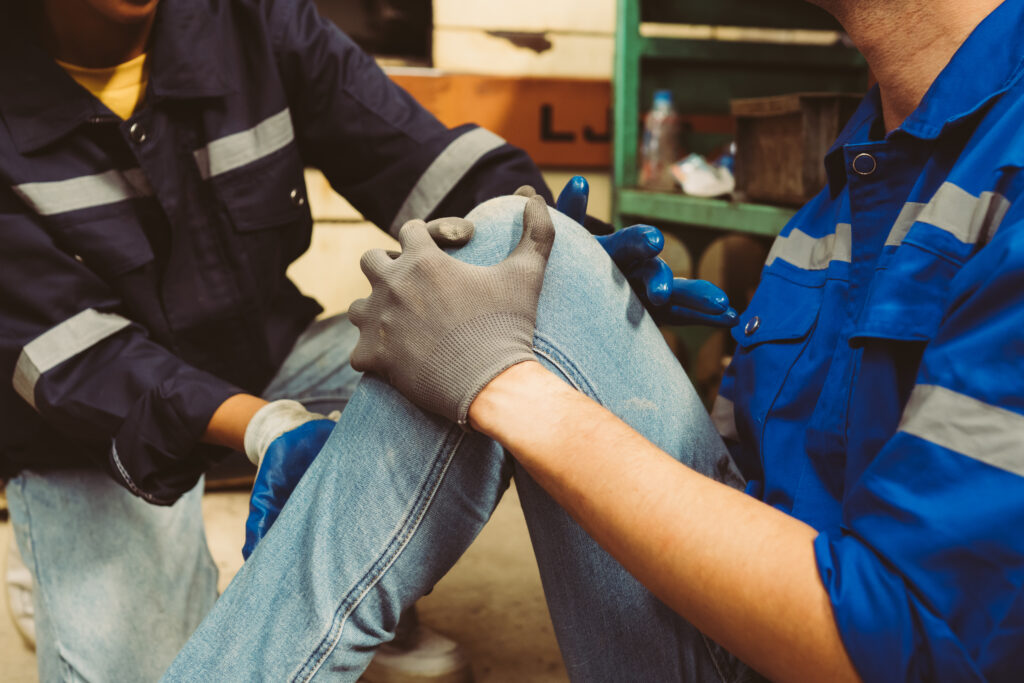
Construction accidents represent our most complex cases because multiple parties often share liability. When scaffolding collapses or cranes malfunction, we investigate equipment maintenance, safety training, and compliance with OSHA standards while pursuing every available source of compensation.
Falls from heights occur daily on Chicago construction sites. Whether you’re installing windows on a Lincoln Park high-rise or working on road construction along Lake Shore Drive, fall injuries require immediate medical attention and prompt legal action. These cases often involve safety harness failures, inadequate railings, or unstable work surfaces.
Machine accidents in manufacturing facilities cause some of Chicago’s most severe workplace injuries. Conveyor belt accidents, press machine injuries, and equipment malfunctions can result in amputations, crushing injuries, and permanent disability. We work with safety professionals to document how accidents occurred and identify all responsible parties.
Chemical exposure cases require immediate medical documentation and environmental testing. Chicago’s industrial facilities use thousands of toxic substances, and exposure injuries may not manifest symptoms for months or years. Early legal intervention preserves crucial evidence and protects your future rights.
Vehicle accidents involving work trucks, delivery vehicles, and construction equipment often involve both workers’ compensation and auto insurance claims. Chicago’s heavy traffic increases accident risks, and commercial vehicle cases typically involve higher insurance limits and multiple coverage sources. Contact us immediately after any work-related vehicle accident to preserve all your options.
We begin case investigation as promptly as possible after your accident. Construction sites change rapidly, equipment gets repaired or replaced, and witnesses scatter to new job sites. We photograph accident scenes, collect equipment maintenance records, and interview coworkers before evidence disappears.
Medical documentation forms the foundation of every workplace injury claim. We connect you with physicians experienced in occupational injuries who understand how to document your condition, relate injuries to workplace activities, and provide testimony supporting your claim. Proper medical records often determine whether you receive thousands or hundreds of thousands in compensation.
OSHA violations frequently contribute to workplace accidents, and we request inspection reports, safety citations, and compliance records for your employer. Chicago-area workplaces with recent OSHA violations face additional liability, and these violations often lead to larger settlements or jury verdicts.
Witness statements capture crucial details about how accidents occurred and whether safety protocols were followed. Coworkers provide honest testimony about workplace conditions, supervisor behavior, and the adequacy of safety training. We interview witnesses promptly because memories fade and workers change jobs frequently in Chicago’s dynamic employment market.
Economic damages in workplace injury cases include medical bills, lost wages, future earning capacity, and vocational rehabilitation costs. Chicago’s higher wages mean lost earnings calculations often exceed $100,000 for serious injuries. We work with economists and vocational professionals to document your total financial losses. For complete legal guidance, contact us to discuss your specific situation.
Illinois workers’ compensation claims follow a structured timeline starting with immediate medical treatment and employer notification. You have 45 days to report your injury, but earlier notification protects your rights and ensures prompt approval of medical care.
Initial medical treatment through approved providers begins your official claim record. Insurance companies often direct you to specific doctors, but you can request treatment from physicians familiar with your type of injury. Quality medical care early in your claim impacts both your recovery and your settlement value.
Claim filing involves detailed paperwork documenting your injury, medical treatment, and work restrictions. Insurance companies review claims within 30 days and either approve benefits or dispute your claim. Disputed claims require hearings before Illinois Workers’ Compensation Commission arbitrators.
Settlement negotiations typically begin after you reach maximum medical improvement or when your doctors determine the full extent of permanent limitations. Chicago workplace injury settlements range from thousands to millions, depending on injury severity, age, occupation, and available insurance coverage.
Third-party lawsuits proceed independently of workers’ compensation claims and often take longer to resolve. Construction accident lawsuits involving multiple defendants may require two or three years to reach trial, but settlements usually exceed workers’ comp benefits by substantial margins.
Evidence at accident scenes disappears quickly, making immediate documentation crucial for successful claims. Photographs, equipment serial numbers, weather conditions, and witness contact information collected within hours often determine case outcomes months later.
Safety training records reveal whether employers provided adequate instruction and whether injured workers followed established protocols. Chicago construction companies must maintain OSHA training records, and missing documentation often indicates negligence, which can lead to larger settlements.
Equipment maintenance logs document whether machinery was serviced correctly and whether defects contributed to accidents. Manufacturing equipment, construction tools, and vehicles require regular maintenance, and deferred maintenance often causes preventable accidents.
Medical records linking your injuries directly to workplace activities counter insurance company arguments that pre-existing conditions or outside activities caused your problems. Detailed medical documentation often adds tens of thousands to settlement values.
Employment records, including job descriptions, training certificates, and performance evaluations, establish your earning capacity and career trajectory before injury. Higher-skilled workers typically receive larger settlements because their earning loss calculations are greater.
Chicago workplace injury law requires familiarity with local courts, insurance companies, and medical providers throughout Cook County. We understand how different judges handle construction accident cases and which insurance adjusters negotiate fairly and which require aggressive litigation.
Our dual-track approach maximizes recovery by pursuing both workers’ compensation and third-party claims simultaneously. While other attorneys focus only on workers’ comp, we investigate every potential source of compensation, including equipment manufacturers, subcontractors, and property owners.
Local connections throughout Chicago’s construction and manufacturing industries provide access to technical professionals who can evaluate accident causes and testify on your behalf. We work with engineers, safety professionals, and medical professionals who understand workplace hazards and can explain complex technical issues to judges and juries.
Contingency fee representation means you pay nothing unless we recover compensation for your injuries. This arrangement aligns our interests with yours and ensures aggressive representation regardless of your financial situation after injury. Most workplace injury cases settle without trial, but we prepare every case for litigation to maximize settlement leverage.
For information about our complete range of legal services, visit our services page to learn how we can help with your specific workplace injury situation.
How much does a Chicago workplace injury lawyer cost? We work on a contingency-fee basis, meaning you pay nothing unless we recover compensation. Legal fees come from your settlement, not your pocket.
How long do I have to file a workplace injury claim in Illinois? You must notify your employer within 45 days and file a formal claim within three years, but earlier action protects your rights and preserves evidence.
Can I choose my own doctor for workplace injuries? Initially, you may need to see an approved provider, but you can request referrals to physicians experienced in your type of injury.
What if my employer retaliates after I file a workplace injury claim? Illinois law prohibits retaliation, and we pursue separate claims for wrongful termination or harassment related to your injury claim.
How much is my Chicago workplace injury case worth? Settlement values depend on medical bills, lost wages, permanent limitations, and available insurance coverage. Construction accident cases often settle for significantly more than workers’ comp alone.
Do all workplace injury cases go to trial? Most cases settle through negotiation, but we prepare every case for trial to maximize leverage with insurance companies.
Can I pursue multiple claims for one workplace injury? Yes, you can typically pursue workers’ compensation and third-party lawsuits simultaneously, often doubling or tripling your total recovery.
What happens if I was partially at fault for my workplace injury? Illinois law allows recovery even if you were partially negligent, though your compensation may be reduced based on your percentage of fault.
Workplace injuries change lives instantly, but proper legal representation can secure the compensation needed for full recovery. Chicago’s complex employment landscape requires attorneys who understand both workers’ compensation law and third-party liability claims. Schedule your free consultation today to learn how we can maximize your recovery and protect your future.
If you received notice that your workers’ comp claim has been denied, don’t give up. We don’t. A significant number of legitimate claims are denied because of minor details such as missing information or reports. Even if your insurance claim was initially denied, or if you were injured on the job and subsequently laid off, you may still have a viable case.
At Cutler & Hull, we have handled numerous on-the-job accident and injury claims for workers. We will discuss your injury’s circumstances with you and honestly determine whether it would be more advantageous to file a lawsuit or file for your workers’ compensation benefits.