
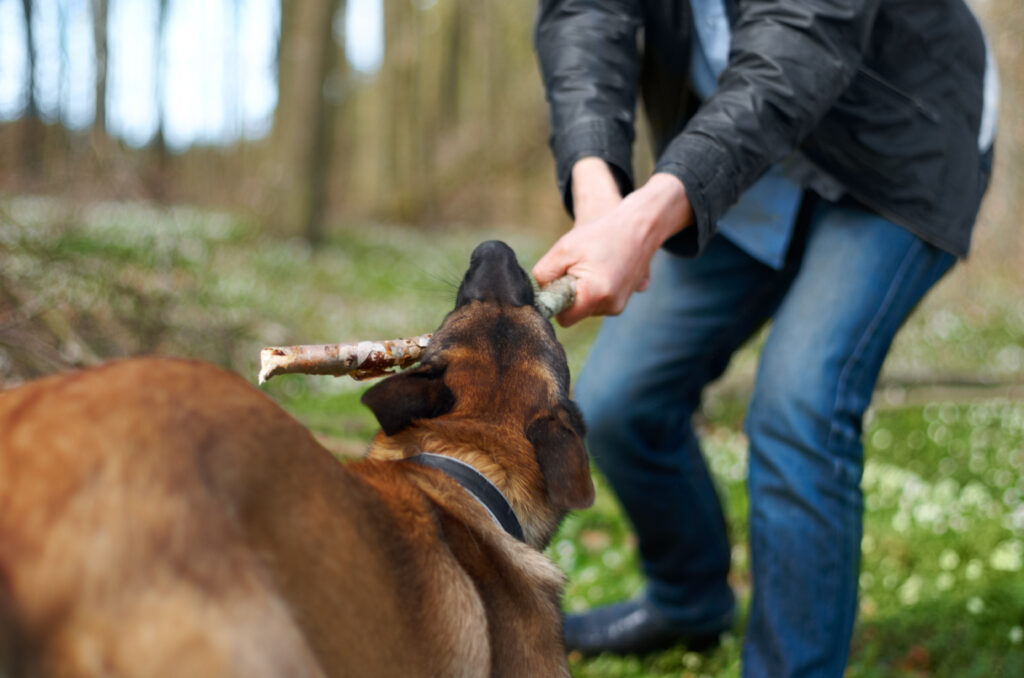
A dog bite injury attorney in Chicago, IL, helps victims recover compensation for medical expenses, lost wages, and pain and suffering following dog attacks. Under Illinois law, dog owners are strictly liable for injuries their pets cause, making legal representation crucial for securing fair compensation. Our team understands Chicago’s unique urban environment, where dog encounters occur daily in parks, on sidewalks, and in residential areas. Get Your Free Consultation today to protect your rights and start your recovery process.
Dog bites create lasting physical and emotional trauma that affects victims for months or years. Beyond immediate medical treatment, victims often require plastic surgery, psychological counseling, and rehabilitation services. The financial burden grows rapidly as insurance companies seek to minimize payouts.
Chicago residents face particular challenges with dog bite incidents due to our dense population and numerous public spaces. From Lincoln Park to Millennium Park, from busy Michigan Avenue to quiet residential streets in Logan Square, dog encounters happen everywhere. Property owners, dog walkers, and pet owners all carry responsibilities under state and local laws.
For complete legal guidance, Cutler & Hull provides experienced representation throughout the greater Chicago area. Our approach focuses on building strong cases that insurance companies cannot ignore while helping victims access the medical care they need during recovery.
Ready to discuss your case? Call us for a free consultation where we’ll explain your rights and options.

This can be especially true for children who have a natural love for animals and never consider the possibility of being vicious. In addition to the considerable physical injuries that can happen in these attacks, the long-term emotional scars often do the most damage.
Under Illinois law, dogs do not get “one free bite” as in some other states. Illinois is a strict liability state—unless the dog bit or attacked because of extreme provocation. The dog owner may be held liable for damages.
Under the Illinois Animal Control Act, dog owners have the responsibility to maintain control over their dogs through proper training or restraint. When they fail to do so, owners can be held personally liable for their pets cause. If you or a loved one has been seriously injured in a dog or other animal attack, you have the right to seek compensation for all your injuries.
Dog bite cases involve attacks by dogs of any breed in various settings across Chicago neighborhoods. We represent victims injured in apartment buildings, public parks, private residences, and commercial properties. Each case requires careful investigation to establish liability and document the full extent of injuries.
Children face the highest risk of severe dog bite injuries, often suffering facial wounds that require extensive reconstructive surgery. Adult victims frequently sustain hand, arm, and leg injuries while trying to protect themselves or others. Delivery workers, postal employees, and service professionals encounter aggressive dogs regularly in the course of their duties.
Property owners bear responsibility when their tenants’ dogs attack visitors or neighbors. Landlords must address known dangerous animals and ensure their properties remain safe for residents and guests. Business owners face similar obligations when dogs injure customers on their premises.
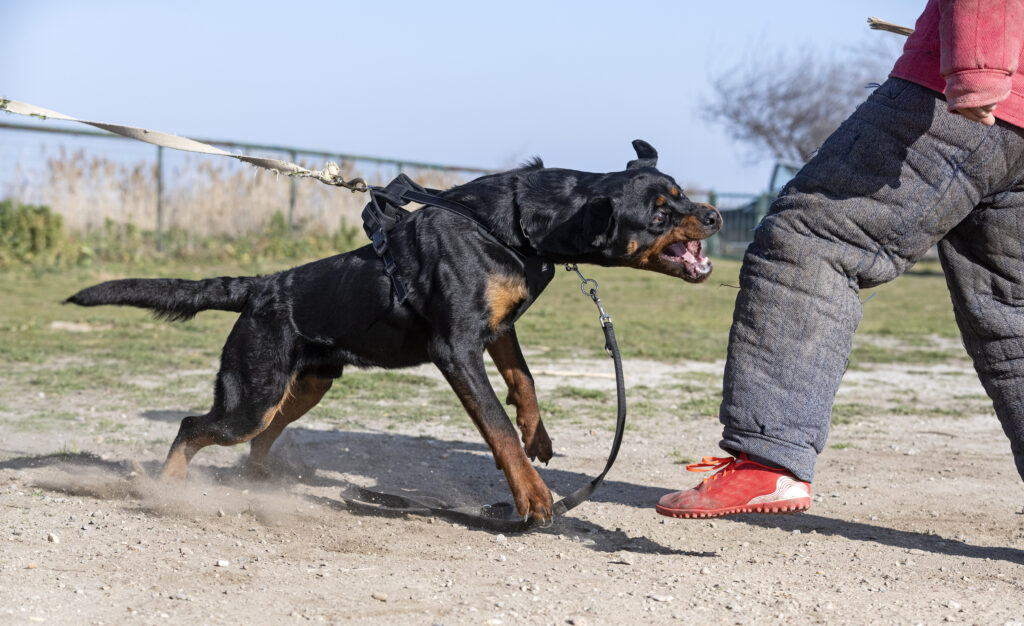
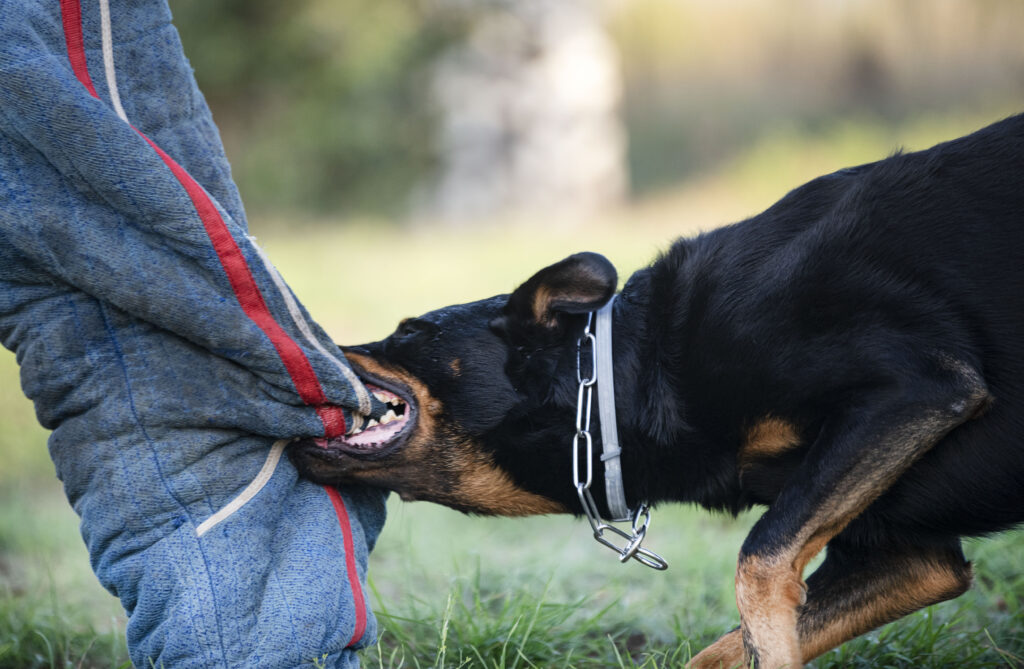
Building compelling dog bite cases requires immediate action to preserve evidence and properly document injuries. We photograph wound sites, gather witness statements, and obtain medical records that establish the connection between the attack and resulting damages. Quick response prevents evidence from disappearing or witnesses from forgetting crucial details.
Veterinary records often reveal a dog’s history of aggressive behavior, previous bite incidents, or lack of proper vaccinations. These documents strengthen liability claims and demonstrate the owner’s knowledge of their pet’s dangerous tendencies. Animal control reports provide additional documentation of the incident and any citations issued.
Medical documentation forms the foundation of damage claims in dog bite cases. We work with plastic surgeons, infectious disease professionals, and mental health professionals to document both immediate and long-term effects of the attack. This complete approach ensures insurance companies understand the full impact on victims’ lives.
Our investigation includes examining local ordinances regarding leash laws, breed restrictions, and owner responsibilities. Chicago’s municipal codes provide additional grounds for establishing negligence when owners violate city regulations that could have prevented the attack.
The legal process begins with immediate medical attention followed by prompt notification to insurance companies and animal control authorities. We handle all communications with insurers while victims focus on healing and recovery. This approach prevents insurance adjusters from obtaining statements that could later harm the case.
Illinois operates under strict liability laws for dog bites, meaning owners are responsible for their pets’ actions regardless of the animal’s previous behavior. However, insurance companies still challenge claims by questioning the severity of injuries, disputing the need for medical treatment, or arguing that the injuries were self-inflicted.
We typically resolve dog-bite cases through settlement negotiations before a trial is necessary. Most insurance companies prefer avoiding costly litigation when faced with well-documented cases that clearly establish their insured’s liability. However, we prepare every case for trial to ensure maximum leverage during negotiations.
The timeline for resolution varies based on injury severity and treatment duration. Simple cases with minor injuries may settle within months, while complex cases requiring surgery or psychological treatment can take a year or more to reach a fair resolution. We never recommend accepting quick settlement offers before understanding the full extent of injuries.
Questions about the process? Contact us for detailed explanations specific to your situation.
Photographic evidence documenting injuries immediately after the attack and throughout the healing process provides powerful visual proof of damage. We recommend that victims photograph their wounds daily to document infection risk, scarring progression, and treatment effects. These images often convince insurance companies to offer fair settlements without lengthy negotiations.
Witness statements from people who witnessed the attack or knew of the dog’s prior aggressive behavior significantly strengthen liability claims. Neighbors, postal workers, and delivery drivers often have valuable information about a dog’s history that owners may deny or minimize.
Medical records must document not only the physical injuries but also any psychological trauma resulting from the attack. Many victims develop lasting fears of dogs that affect their daily activities and quality of life. Mental health treatment records help establish these damages for compensation.
Documentation of the dog’s vaccination status becomes crucial if rabies exposure occurs. Unvaccinated animals create additional medical expenses and anxiety for victims who must undergo preventive treatment protocols. These costs are fully recoverable from responsible owners and their insurance companies.
Homeowners and renters insurance policies typically cover dog bite liability, making insurance companies the primary source of compensation for victims. However, insurers often dispute claims by arguing the victim provoked the attack, trespassed on private property, or exaggerated their injuries to inflate damage amounts.
Insurance adjusters frequently contact victims immediately after attacks, hoping to obtain recorded statements before victims understand their rights or the full extent of their injuries. These statements often contain admissions that insurance companies later use to reduce settlement offers or deny claims entirely.
Many insurance policies exclude coverage for specific dog breeds or animals with a history of biting. When these exclusions apply, victims must pursue compensation directly from dog owners, who may lack sufficient assets to cover severe injury damages. We investigate all potential sources of recovery to maximize compensation.
Professional legal representation levels the playing field with insurance companies that employ teams of adjusters and attorneys to minimize payouts. We understand their tactics and counter them with thorough case preparation and aggressive advocacy for our clients’ rights.
Our familiarity with Chicago’s court system, local ordinances, and insurance company practices provides distinct advantages for dog bite victims throughout the metropolitan area. We understand how Cook County judges typically handle these cases and what evidence resonates most effectively with local juries.
Chicago’s diverse neighborhoods each present unique challenges for dog bite cases. From high-rise buildings in River North to single-family homes in Bridgeport, we understand how location affects liability and damages in dog attack cases. Our knowledge of local animal control procedures helps streamline the evidence-gathering process.
We maintain relationships with medical professionals across Chicago who focus on treating dog bite injuries. These connections help our clients access quality care while ensuring proper documentation for legal claims. Quick access to plastic surgeons and infectious disease professionals can make the difference between full recovery and permanent impairment.
For more information about our services or to schedule a consultation, we’re available to discuss your case and explain your legal options. Every dog bite case is unique, but Illinois law provides strong protection for injury victims when properly applied.
How long do I have to file a dog bite lawsuit in Illinois?
Illinois has a two-year statute of limitations for personal injury claims, including dog-bite cases. However, we recommend contacting an attorney immediately after the attack to preserve evidence and protect your rights, while you focus on medical treatment and recovery.
What if the dog owner claims I provoked the attack?
Provocation is a common defense in dog bite cases, but it requires proof that the victim’s actions were unreasonable and directly caused the attack. Simple acts, such as walking past a dog, knocking on doors, or making noise, rarely constitute legal provocation under Illinois law.
Can I recover compensation if the attack happened on the owner’s property?
Yes, property owners remain liable for dog attacks even on their own premises when victims have lawful reasons for being there. Mail carriers, delivery workers, guests, and children typically qualify for compensation regardless of where the attack occurred.
What if the dog has never bitten anyone before?
Illinois strict liability law holds dog owners responsible for bite injuries regardless of the animal’s prior behavior or the owner’s knowledge of the animal’s aggressive tendencies. A dog’s first bite still creates full liability for resulting damages.
How much compensation can I expect for a dog bite injury?
Compensation depends on injury severity, medical expenses, lost wages, scarring, and psychological trauma. Minor bites may settle for thousands of dollars, while severe attacks requiring surgery and causing permanent disfigurement can result in six-figure settlements.
What if the dog owner doesn’t have insurance?
Uninsured dog owners remain personally liable for attack damages. We investigate all potential sources of recovery, including umbrella policies, business insurance, and personal assets. Your own insurance may also provide coverage through uninsured motorist provisions.
Should I report the dog bite to the authorities?
Yes, report all dog bites to local animal control authorities and police departments. These reports serve as official documentation of the incident and ensure the dog receives a proper quarantine evaluation for rabies and other diseases.
Can I sue if a stray dog attacked me?
Stray dog cases require investigation to identify responsible parties, including property owners who may have been feeding the animal or local authorities responsible for animal control. Recovery options vary based on specific circumstances surrounding the attack.
What should I do immediately after a dog attack?
Seek immediate medical attention, document injuries with photographs, gather witness contact information, report the incident to authorities, and contact an experienced attorney before speaking with insurance companies. Quick action preserves evidence and protects your legal rights.
Don’t wait to protect your rights after a dog attack. Call today for your free consultation and let us fight for the compensation you deserve.